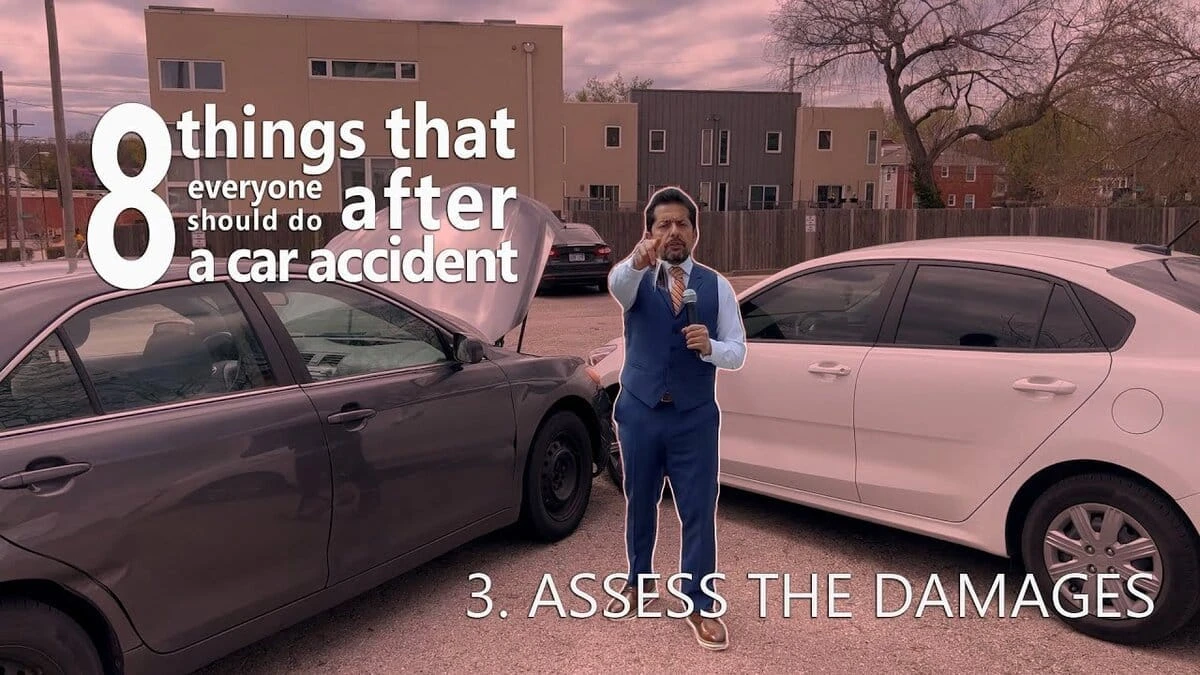
At Devkota Law, we have continually advocated for individuals who found themselves in the vulnerable aftermath of motor vehicle accidents. In this blog, we’ll discuss the third point in our "8 Things to Do After a Car Accident" guide, which is to assess the damages. This act can be pivotal in managing these unsettling situations effectively.
Our Tri-fold Brochure: 8 Things to Do After a Car Accident
We have created a simple yet comprehensive guide titled "8 Things to Do After a Car Accident". This guide aims to help you effectively manage the post-accident process, focusing on key steps like how to assess the damages to ensure you're well-prepared, regardless of the circumstances. Each step is explained in a clear, concise manner, making it easier for you to take necessary actions swiftly and confidently.
Point Three: Assess the Damages
The third step in handling a car accident effectively is to assess the damage. Contrary to common perception, this involves more than just evaluating the physical damage to your vehicle.
Why Assessing the Damages Doesn't Just Refer to Your Car
“Damages" is a legal term that broadly covers any harm you may have suffered as a result of an accident. While it does include damage to your car, the concept is largely centered on you, the individual.
Understanding Bodily Injury Assessment
After an accident, it's crucial to take a moment to assess your physical state. Despite the adrenaline rush, take note of any pain, discomfort, or visible injuries you may have. This is the first step in the assessment of bodily damages.
Document Your Injuries
Once you've assessed your bodily injuries, the next step is to document them. This is a crucial component of managing the post-accident process and handling your injury claim effectively.
Importance of Documenting Your Injuries Post-Accident
Documenting your injuries soon after the accident helps establish a clear, indisputable record of the harm you've suffered. This can be an invaluable asset when it comes to processing your claim.
Dangers of Downplaying Injuries at the Accident Scene
Minimizing your injuries at the scene can significantly undermine your claim. Often, the full extent of injuries is not immediately apparent due to the rush of adrenaline. Documenting them early prevents potential issues down the line.
The Value of Immediate Medical Attention
Seeking immediate medical attention is not only essential for your health but also helps validate your claim and protects your legal rights.
Why You Should Call 911 or Visit an Emergency Room
Even if you feel fine after an accident, call 911 or visit the emergency room. They can provide a professional assessment of your condition, uncovering potential injuries that may not be immediately apparent.
Overcoming the Fear of Being "Opportunistic"
Seeking medical attention immediately after an accident is not being opportunistic; it's acting responsibly. Your health should always be your top priority.
Preserving Evidence for Your Claim
Properly documenting your injuries and seeking immediate medical attention helps preserve crucial evidence for your injury claim.
Avoiding "Intervening Events" That May Hinder Your Claim
The period between the accident and filing your claim should be carefully managed to avoid "intervening events." These are occurrences that might be used against you, suggesting your injuries were sustained elsewhere or later.
How Proper Documentation Aids Your Injury Claim
Detailed and timely documentation is your strongest ally in proving your claim. It provides irrefutable evidence of the injuries you sustained and the medical attention you sought, thus strengthening your case significantly.
Conclusion - Putting Your Health First
In the whirlwind of events following a car accident, it's crucial to remember to assess the damages beyond just your vehicle, with a specific focus on your physical wellbeing. This guide serves to underscore the importance of careful documentation and immediate medical attention.
Recap on Why You Should Assess the Damages and Document Injuries
Understanding the breadth of assessing the damages is vital. It involves:
- Performing a self-check for any physical discomfort or visible injuries post-accident.
- Seeking immediate medical attention, regardless of the perceived severity of injuries.
- Documenting all injuries and medical visits to substantiate your injury claim effectively.
Downplaying injuries or delaying medical assistance can severely undermine your injury claim.
Remember, your health should always come first. Don't hesitate to contact us at Devkota Law Firm if you need advice or assistance following an accident. We're here to ensure your rights are protected and that you receive the care and compensation you deserve.
Recent Articles