Car accidents are unforeseen events that happen more frequently than we'd like to admit. With the chaos that often follows, it's easy to overlook critical details that can greatly affect the outcome of an insurance claim or even a court case. That's why it's crucial to save the evidence – a practice that ensures every detail is properly documented to support your narrative of the event.
Our Tri-fold Brochure: 8 Things to Do After a Car Accident
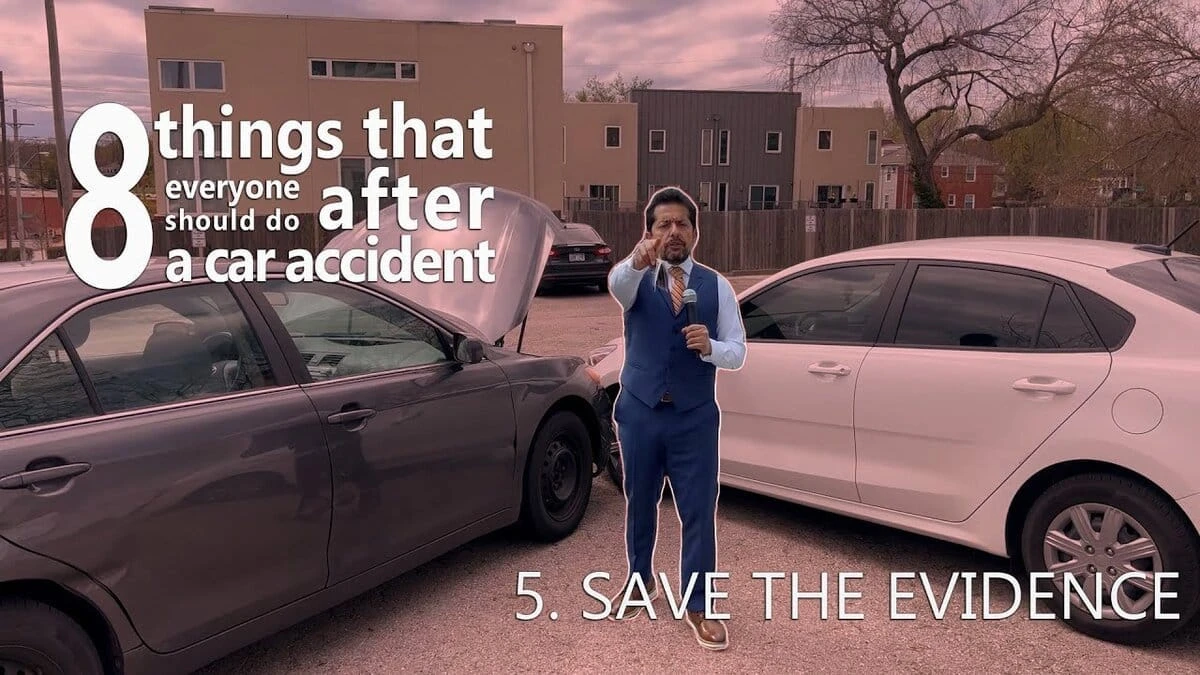
Our tri-fold brochure titled, “8 Things to Do After a Car Accident,” is a comprehensive guide on what to do after a car accident. It is designed to help you navigate the post-accident phase with ease, ensure you save the evidence properly, and effectively lay a solid foundation for any ensuing legal action.
Point 5: Save the Evidence
One can't overstate the significance of the fifth point of our plan - Save the Evidence. This step is key in establishing your narrative and supporting your claims.
Role of Evidence in Building a Case
Evidence is the cornerstone of any legal case. It gives credence to your account of the event and provides the necessary substantiation for any claims you may make. Without evidence, even the most legitimate case can crumble.
Necessity to Save the Evidence
In the context of a car accident, the ability to save the evidence can significantly influence the outcome. Physical, photographic, or video evidence of the accident scene, witness accounts, and the guilty party's admission can make or break your case.
How to Save the Evidence
Knowing how to save the evidence effectively is just as important as understanding its importance.
A - Significance of Photographic and Video Evidence
Capture comprehensive photographic and video evidence of the accident scene. From wide-angle shots to close-ups of the damage, these visuals can serve as compelling evidence in your case.
B - Capturing the Admission of Fault
If the other party admits fault at the scene, try to record it. People often change their narrative after leaving the accident site, so having their initial admission can be a crucial piece of evidence.
C - Gathering Witness Information
Witnesses can provide a third-party perspective of the accident. Record their statements, and note their names and contact information. This evidence can substantiate your narrative of the event.
D - Ensuring the At-Fault Party
Before the at-fault party leaves the scene, ensure you have a copy of their driver's license, insurance card, and a photo of their license plate. This information is vital for your insurance claim and any legal proceedings.
Power of Evidence in Claims Processing
Having comprehensive evidence can simplify and expedite the insurance claims process. It provides a clear picture of the accident, reducing the chance of disputes and facilitating a faster resolution.
The more robust your evidence, the stronger your case. This not only improves your chances of a successful claim but can also increase the potential compensation you might receive, as it solidifies the facts and proves your innocence.
Conclusion
In the aftermath of a car accident, the importance of being prepared cannot be overstated. A major part of this preparedness is knowing how to effectively save the evidence, as it can dramatically influence the course of any insurance claim or legal proceedings.
Remember, the ability to save the evidence means:
- Capturing comprehensive photographic and video evidence of the accident scene
- Recording any admission of fault from the guilty party
- Gathering witness information, including their names, contact details, and statements
- Ensuring you have a copy of the at-fault party's driver's license, insurance card, and a photo of their license plate
Each of these points is a piece of the puzzle, and together, they create a compelling narrative of the event. If you need expert legal advice and representation, we are here to guide and support you every step of the way. Contact us today to learn more about how we can help you.
Recent Articles