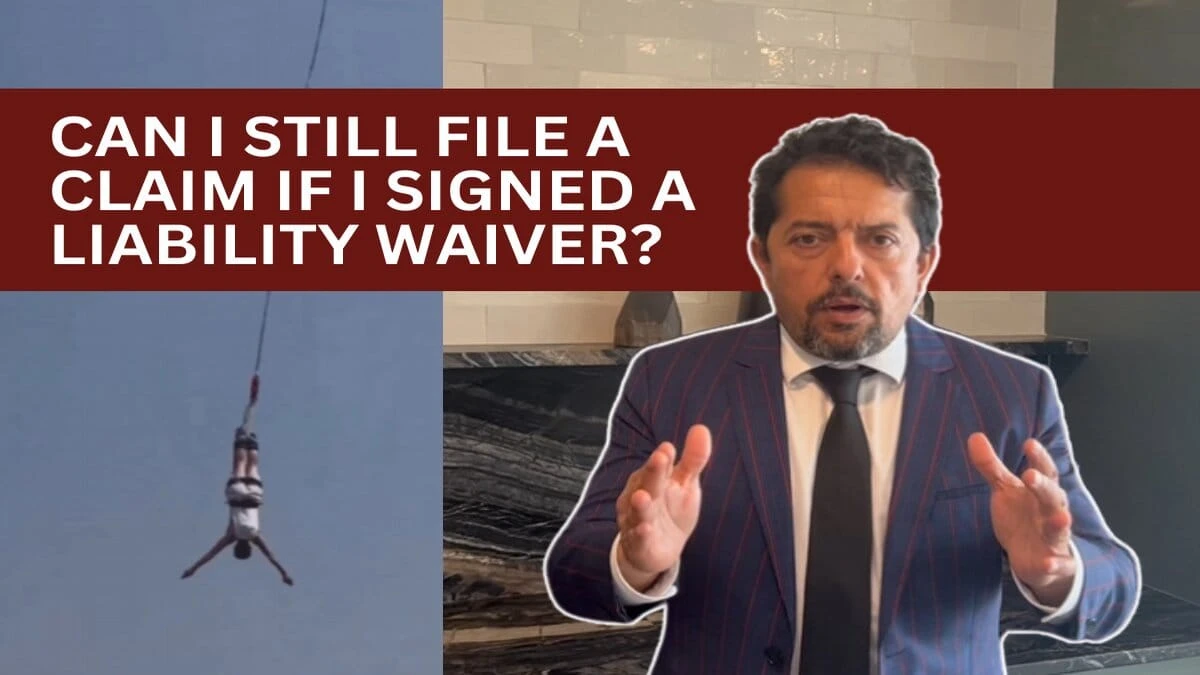
Many of us have been in that exhilarating moment, ready to embark on an adventurous endeavor like bungee jumping, zip-lining, or another heart-pounding activity, only to be presented with a daunting liability waiver. These waivers are a familiar sight in the realm of adventure sports and activities, and knowing how to navigate the process to file a claim if you've signed a liability waiver can be essential.
Understanding Liability Waivers
What are Liability Waivers?
Liability waivers are legal documents that participants often sign before engaging in potentially risky activities. By signing a waiver, you acknowledge the inherent risks associated with the activity and agree not to hold the company or organization responsible for injuries or accidents that may occur.
Do Waivers Always Prevent Claims?
The short answer is no. While liability waivers can limit your ability to file a claim, there are exceptions. The key to determining whether you can file a claim lies in the concept of gross negligence.
Gross Negligence – The Exception
What is Gross Negligence?
Gross negligence goes beyond regular negligence. It involves reckless behavior or actions that show a complete disregard for safety. For instance, if the person responsible for maintaining equipment knows that it is faulty but still allows people to use it, they may be guilty of gross negligence.
How Gross Negligence Affects Your Claim
If you believe that gross negligence was a factor in your accident, it could provide grounds for filing a claim even if you signed a liability waiver. Courts often rule in favor of claimants in cases involving gross negligence, as waivers are not meant to protect companies from such extreme negligence.
Assessing Negligence vs. Recklessness
To determine whether you have a valid claim, it's crucial to differentiate between regular negligence and recklessness. Negligence refers to a failure to take reasonable care, while recklessness involves knowingly taking unreasonable risks. If you suspect recklessness on the part of the company or individual responsible for your safety, you should consider pursuing a claim.
Filing a Claim
Steps to File a Claim After Signing a Waiver
- Gather Evidence: Start by collecting any evidence related to your accident, such as photographs, witness statements, and medical records.
- Consult an Attorney: Seek legal advice from a personal injury attorney experienced in handling cases involving liability waivers and gross negligence. They can help assess the strength of your case.
- Negotiate with the Company: Your attorney may attempt to negotiate with the company or organization to reach a settlement. If negotiations fail, they will prepare to file a lawsuit.
- File a Lawsuit: If necessary, your attorney will file a lawsuit against the responsible party. Be prepared for a potentially lengthy legal process.
Conclusion
Signing a liability waiver does not always prevent you from filing a claim if you've been injured during a risky activity. The crucial factor to consider is gross negligence, which goes beyond standard negligence and may provide you with a valid basis for seeking compensation. Remember to gather evidence, consult with an attorney, and explore negotiation options before pursuing a lawsuit.
If you find yourself in this situation, don't hesitate to contact us for expert legal guidance on your specific case. Your safety and rights matter, and we are here to help.
Recent Articles