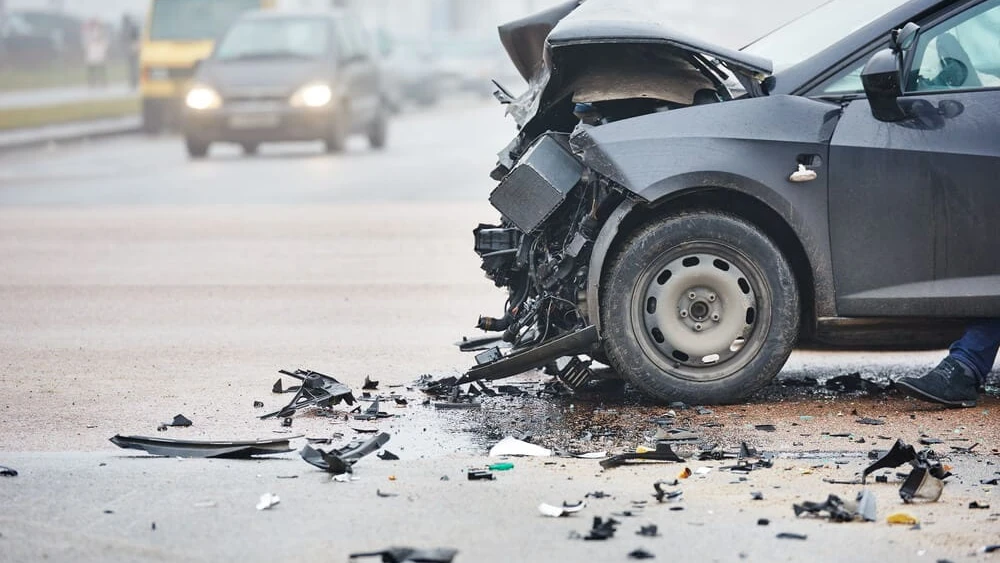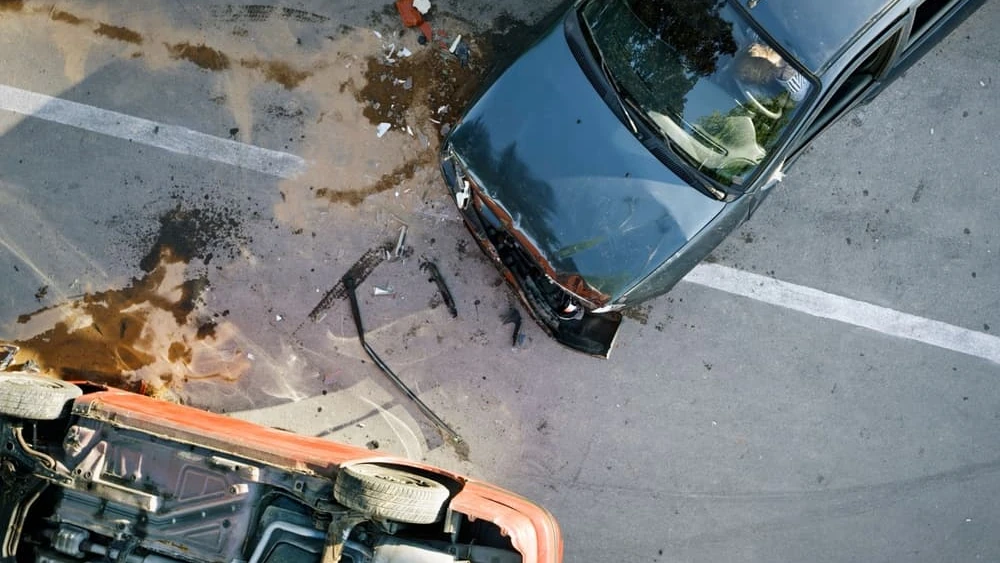
Getting into a car accident is stressful enough, but it can be even more frustrating when someone totals your car. In this instance, you may wonder, "Can I sue someone for totaling my car?" The short answer is yes. Under certain circumstances, you may be able to pursue legal action to recover compensation. Our Kansas City car accident lawyers help individuals in Missouri manage the complex legal process after serious car accidents, ensuring they understand their rights and options for compensation.
In this blog, we’ll go over what it means when your car is totaled, the legal steps you can take, and the compensation you could recover. Whether you're dealing with insurance companies or a negligent driver, this guide will walk you through the process and help you make informed decisions.
Can I Sue Someone For Totaling My Car?
If someone else is responsible for the accident that totaled your car, you may have grounds to file a lawsuit for damages. Missouri follows a fault-based system for car accidents, meaning the party responsible for the crash is also liable for covering the damages. This applies to repairs to your vehicle, medical expenses, and any other related costs.
When another driver’s negligence causes your car to be totaled, you have the right to seek compensation through their insurance company. However, if the insurance payout doesn’t fully cover your losses, you can file a personal injury lawsuit for additional compensation.
It’s important to act quickly, as Missouri has a statute of limitations for filing car accident lawsuits. Typically, you have five years from the date of the incident to take legal action (according to Missouri Revised Statutes, Chapter 516).
When Is a Car Considered Totaled?
In Missouri, a car is considered "totaled" when the cost of repairs exceeds a certain percentage of its value. Typically, insurers use a threshold of around 75-80% of the car’s actual cash value (ACV) to determine if it's totaled. This means if the repair costs exceed 75-80% of the car's worth before the collision, they will declare the vehicle a total loss.
This law requires that vehicles deemed a total loss be issued a salvage title, which indicates that the car is no longer roadworthy unless significant repairs are made. You can find more about Missouri's salvage title process at the Missouri Department of Revenue.
In case your car is totaled, the insurance company will offer you the vehicle's ACV, not the replacement cost. This value is calculated based on factors like the car’s age, mileage, and condition before the incident. Getting multiple estimates and negotiating with the insurance company is crucial to guarantee you’re receiving fair compensation for your vehicle’s worth.
The Role of Police Reports and Evidence in Your Lawsuit
Building a lawsuit after a total vehicle incident depends on strong evidence. Police reports often serve as key documents, outlining important facts about the accident, driver actions, and witness statements. Accurate, thorough police documentation strengthens your case and can influence how negotiations with insurers unfold.
Beyond the official report, photos from the scene, medical records, repair estimates, and witness testimonies all contribute critical layers of proof. At Devkota Law Firm, we encourage clients to gather evidence quickly after the accident to protect their claim.
Preserving evidence early is vital in any case where you ask, Someone totaled my car can I sue? Without proper documentation, insurance companies are more likely to dispute your claim or minimize your compensation.
What to Do if the Responsible Driver Doesn’t Have Insurance
Dealing with a driver who lacks insurance can make the process far more frustrating. Still, Missouri law does offer some legal options. According to the Missouri Department of Labor, the Tort Victims’ Compensation Fund assists those injured by another’s negligence or recklessness, like in motor vehicle accidents, when the at-fault party lacks adequate insurance or cannot pay damages. Eligible individuals may file a claim by submitting an Application for Tort Victims’ Compensation.
Using this fund requires meeting specific eligibility rules, such as proving you tried to recover damages from the uninsured driver.
How to Prove Negligence in a Lawsuit for a Totaled Car
To win compensation, you must first prove that the other party’s actions directly caused your losses. In Missouri, proving negligence requires showing four elements: duty, breach, causation, and damages, as explained by Legal Clarity.
For example, you would need to show that the other driver owed you a duty to drive safely, they breached that duty by acting recklessly, and their behavior caused your car to be totaled, resulting in measurable losses. Building a strong argument often relies on gathering the right evidence, whether through witness accounts, video footage, or expert testimony.
Even a straightforward accident can become complicated when questions about comparative fault arise. That’s why gathering clear evidence and building a detailed case is important.
Your Next Best Steps if Someone Totaled Your Car
If your car has been totaled, here are the immediate actions you should take to protect your rights and begin the process of recovering compensation:
- Contact the Police: Always call law enforcement after an incident. A police report will provide crucial evidence for filing a lawsuit or dealing with insurance disputes.
- Collect Evidence: Take photos of the scene, including the vehicle damage, road conditions, and any other relevant factors. Eyewitness testimony can also strengthen your case.
- Notify Your Insurance Company: Even if the other driver is at fault, you must notify your insurance company about the accident. They will likely work with the at-fault driver’s insurer to resolve the claim.
- See a Doctor: Even if you don’t feel injured, some harm may not become apparent until days after the event. Getting checked out by a medical professional ensures that any wounds are documented.
- Consult a Kansas City Personal Injury Lawyer: Speaking with an attorney, like those at Devkota Law Firm, can help you understand your legal options. An experienced lawyer can evaluate your case, negotiate with insurance companies, and, if necessary, represent you in court to guarantee you receive fair compensation.
When Another Driver Is Responsible for Totaling Your Car
If the other driver was negligent—meaning they acted carelessly or recklessly, leading to the occurrence—you have the right to sue them for damages. Negligence can involve several factors, including:
- Distracted driving (e.g., texting while driving)
- Running red lights or stop signs
- Speeding or reckless driving
- Driving under the influence of drugs or alcohol
Missouri’s comparative fault law allows you to recover damages even if you were partially at fault for the crash. Nonetheless, your compensation will be reduced by the percentage of fault assigned to you. For example, if you were 20% responsible for the situation, your compensation would be reduced by 20%.
If the at-fault driver has adequate insurance, their policy should cover the damage to your car. Despite this, if their coverage limits are insufficient or uninsured, you may need to rely on uninsured/underinsured motorist coverage from your policy or file a lawsuit to cover the remaining costs.
Damages You Could Claim in a Lawsuit in 2024
If someone wrecked your car and their insurance payout isn’t enough to cover your losses, you may file a lawsuit to recover further compensation. In Missouri, the types of damages you can claim include:
- Vehicle Damage: You will be reimbursed for the actual cash value of your totaled car or the difference between the insurance payout and your vehicle’s worth.
- Medical Expenses: If you sustained lesions in the catastrophe, you can claim the costs of hospital bills, doctor visits, rehabilitation, and any ongoing treatment.
- Lost Wages: If the occurrence caused you to miss work, you may be able to recover compensation for lost income. In long-term injuries, you can also pursue damages for loss of earning capacity.
- Pain and Suffering: Compensation for physical pain, emotional distress, and other non-economic losses resulting from the tragedy.
- Rental Car Costs: You may also be eligible to recover costs for renting a vehicle while you deal with the insurance claim and vehicle replacement.
Every case is different, and the compensation you can recover will depend on the accident's severity, the extent of your losses, and the other driver’s liability.
Understanding Your Legal Rights After a Car Is Totaled
If someone totaled my car, can I sue? Yes, you may have the right to pursue legal action depending on the circumstances of the accident, the severity of damages, and the liability of the involved parties. Missouri law provides multiple legal avenues for recovering financial losses after a totaled vehicle. Our firm specializes in helping accident victims understand their legal rights and seek compensation. Consulting a personal injury lawyer can clarify your options and ensure you receive the compensation you deserve.
In Missouri, a vehicle is considered totaled if the cost of repairs exceeds 80% of its actual cash value, as outlined in Missouri Salvaged Vehicles Laws. If another driver is at fault, you may be entitled to compensation for the vehicle’s fair market value, medical expenses, lost wages, and other damages.
What Are Your Legal Options If Someone Totals Your Car?
If another driver is responsible for the accident, you can file a claim against their insurance company or pursue legal action if their coverage is insufficient. Missouri follows an at-fault system, meaning the driver who caused the accident is financially responsible for the damages. Your primary options include:
Filing a Claim with the At-Fault Driver’s Insurance
The liable driver’s insurance should cover your vehicle’s fair market value and other damages under Missouri’s minimum liability insurance requirements (MO Revised Statutes, Section 301.217). However, disputes often arise when insurers undervalue your claim. Our firm ensures you receive the full market value of your vehicle rather than an unfairly low settlement.
Seeking Compensation Through Your Own Insurance
If the at-fault driver is uninsured or underinsured, your uninsured/underinsured motorist coverage (if applicable) may cover part of your losses. Our team will assess your policy and negotiate on your behalf to maximize compensation.
Filing a Lawsuit for Additional Damages
If insurance does not fully cover your losses, we can help you sue the responsible party to recover out-of-pocket costs, medical bills, lost wages, and pain and suffering. A lawsuit may also be necessary if the at-fault driver’s insurer denies liability.
How to Handle an Insurance Dispute for a Totaled Car
If an insurance company undervalues your totaled vehicle, disputes liability, or delays compensation, you have legal options to challenge their decision. Steps to take include:
- Request a Second Appraisal – If the insurer’s estimate is too low, you can obtain an independent appraisal to contest their valuation.
- File a Bad Faith Insurance Claim – If the insurer delays payments, misrepresents policy coverage, or wrongfully denies your claim, you may be able to file a lawsuit for bad faith practices.
- Hire a Legal Representative – Our firm negotiates with insurance adjusters and, if necessary, takes legal action to ensure you receive full compensation.
Can You Sue for Compensation After a Car Is Totaled?
Yes, you can file a lawsuit if the at-fault party’s insurance does not cover the full extent of your damages. Missouri law allows accident victims to recover losses beyond insurance policy limits through personal injury or property damage lawsuits. Our firm can help you seek compensation for:
- Vehicle Replacement Costs
- Medical Expenses and Rehabilitation Costs
- Lost Wages and Loss of Earning Capacity
- Pain and Suffering Compensation
Vehicle Replacement Costs
The actual cash value (ACV) of your car at the time of the accident, rather than its original purchase price, determines compensation. If insurers undervalue your car, we help contest their estimate.
Medical Expenses and Rehabilitation Costs
If you were injured, you may be eligible to recover hospital bills, surgeries, physical therapy, and ongoing medical care costs. Documenting all expenses strengthens your case.
Lost Wages and Loss of Earning Capacity
If your injuries prevent you from working temporarily or permanently, we can seek compensation for lost income. Courts consider factors such as your job type, expected career trajectory, and medical prognosis.
Pain and Suffering Compensation
Emotional distress, reduced quality of life, and mental anguish following an accident may qualify for compensation. Missouri law evaluates the severity of your injuries, their long-term impact, and medical documentation when determining pain and suffering damages.
Non-Economic Damages: Mental Anguish and Emotional Distress
In addition to financial losses, accident victims may suffer significant emotional distress. Non-economic damages compensate for the mental toll an accident can have, including:
- Anxiety and Depression – Many car accident victims experience ongoing emotional distress that affects their quality of life.
- Sleep Disturbances and PTSD – Severe accidents may lead to post-traumatic stress disorder (PTSD) or long-term anxiety.
- Loss of Enjoyment of Life – If injuries prevent you from participating in hobbies, sports, or daily activities, compensation may be available.
- Emotional Impact on Family – If an accident causes significant disruption to family life, courts may factor this into compensation awards.
Missouri courts assess non-economic damages based on the severity of injuries, medical records, psychological evaluations, and expert testimony. Our firm will work to document and prove the full extent of your suffering to maximize your compensation.
How Courts Calculate Compensation for Totaled Vehicles
When filing a lawsuit for a totaled car, courts consider multiple factors to determine compensation, including:
- Pre-accident market value of the vehicle – Based on Kelley Blue Book values and industry assessments.
- Depreciation and condition – High mileage or wear and tear can impact settlement amounts.
- Comparative negligence – If you share any fault, your compensation will be reduced by your percentage of fault.
Factors to Consider Before Filing a Lawsuit for a Totaled Car
Before taking legal action, it’s essential to assess several key factors to determine whether a lawsuit is the best course of action. Filing a lawsuit requires careful evaluation of the financial and legal implications to ensure the best possible outcome.
Insurance Coverage Limits
If the at-fault driver carries adequate insurance, an out-of-court settlement may be the most efficient and cost-effective option. However, insurance payouts often fail to cover all damages, particularly in severe accidents. We carefully analyze the at-fault driver’s policy limits and explore alternative sources of compensation if necessary.
Extent of Your Damages
The severity of your financial losses is a major deciding factor. If your damages exceed the at-fault party’s insurance coverage, a lawsuit may be required to recover medical bills, lost wages, and vehicle replacement costs.
Missouri’s Statute of Limitations
You have five years from the date of the accident to file a property damage lawsuit in Missouri. Failing to file within this period results in losing your right to compensation (MO Revised Statutes, Section 301.217). While five years may seem like a long time, waiting too long can weaken your case due to lost evidence and fading witness recollections.
Evidence of Liability
A strong legal case requires concrete proof of the at-fault driver’s negligence. Essential evidence includes:
- Police reports confirming fault.
- Witness statements that corroborate your version of events.
- Accident reconstruction reports from industry experts.
- Medical records proving injury severity.
- Photographic or video evidence documenting vehicle damage and accident conditions.
Without strong evidence, the defense may argue comparative negligence, potentially reducing your compensation.
Legal Fees and Costs
Many personal injury cases, including those involving totaled cars, operate on a contingency fee basis, meaning you pay no upfront legal fees. However, other legal costs such as expert witness fees, court filing fees, and administrative expenses should be considered.
Long-Term Financial Impact
Assessing the future financial consequences of your accident is critical. If your injuries lead to long-term medical treatment, rehabilitation, or disability, securing compensation through a lawsuit may be necessary.
Defendant’s Ability to Pay
Even if you win a lawsuit, collecting compensation depends on the at-fault driver’s financial situation. If they lack assets or insurance coverage, recovering funds may be challenging. In such cases, we explore alternative recovery options, including filing liens against assets or seeking wage garnishments.
Expert Testimony & Legal Representation
Working with legal and industry experts strengthens your case. Testimonies from accident reconstructionists, medical professionals, and financial analysts can validate claims of liability, injury severity, and financial losses.
How to Negotiate a Higher Settlement with Insurance Companies
If your initial insurance payout is lower than expected, here are key strategies to increase compensation:
- Gather Multiple Vehicle Valuations – Independent appraisals can help support your claim.
- Provide Repair Estimates – Even if the car is totaled, repair estimates can highlight the extent of damages.
- Document Additional Losses – Any personal property damage inside the vehicle should be included in negotiations.
- Write a Demand Letter – A legal demand letter outlines why you deserve a higher settlement and provides supporting evidence.
- Consider Mediation – If negotiations stall, mediation can facilitate a resolution before filing a lawsuit.
Additional Compensation for Severe Cases
If your accident involved gross negligence, reckless driving, or DUI, you may be eligible for punitive damages, which are awarded to punish the at-fault driver and deter similar behavior. Missouri law allows courts to grant these damages in extreme cases where the defendant acted with deliberate disregard for safety. Our firm will evaluate whether your case qualifies for such compensation.
If you are unsure whether to pursue legal action, consulting with a personal injury lawyer can help you weigh your options. Our firm will evaluate your case, handle insurance negotiations, and fight for the compensation you deserve. Contact us today to discuss your legal rights.
How a Kansas City Car Accident Lawyer Can Help After Your Car Is Totaled
Determining your next steps can feel overwhelming when your vehicle is declared a total loss. A Kansas City car accident lawyer can get involved in handling insurance negotiations, evaluating the full extent of your damages, and working toward securing compensation that covers more than just your car's value. We work with you to build a strong case, carefully examining not only the property damage but also any related injuries or emotional distress that resulted from the accident.
If another driver caused the crash, you have the right to take legal action to recover the cost of replacing your vehicle, along with other expenses like medical bills or lost income if you were hurt.
A Kansas City car accident lawyer can also connect you with helpful resources, like accident reconstruction experts and medical providers, to support your claim. These added details can strengthen your case and improve your chances of a fair outcome.
Car Accident, Totaled Vehicle? Get the Justice You Deserve
When someone totals your car in Missouri, dealing with the legal process can be stressful. Devkota Law Firm is here to provide the support needed, whether negotiating with insurance companies or pursuing a lawsuit for further compensation. Contact us now Contact us now to secure a fair outcome.
Recent Articles