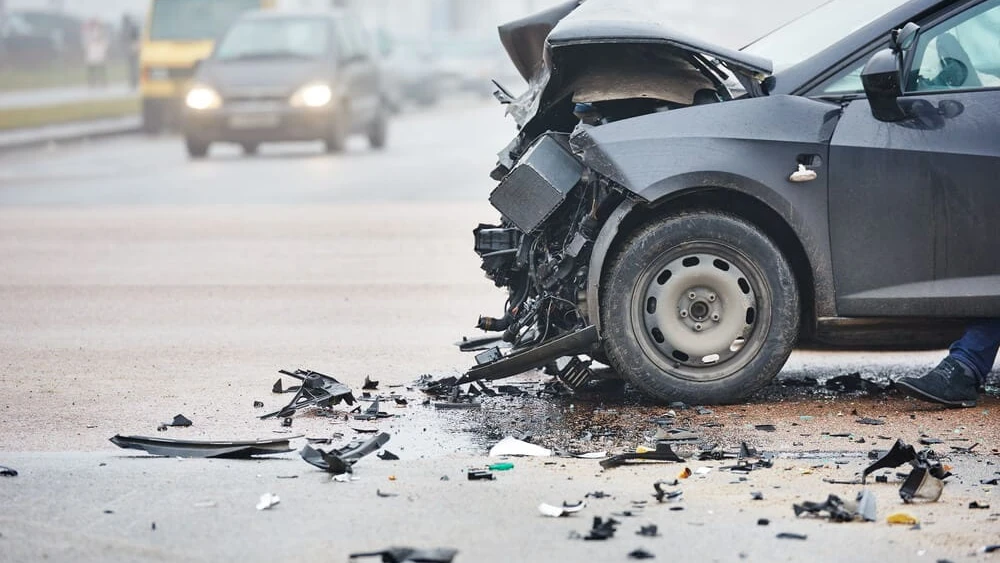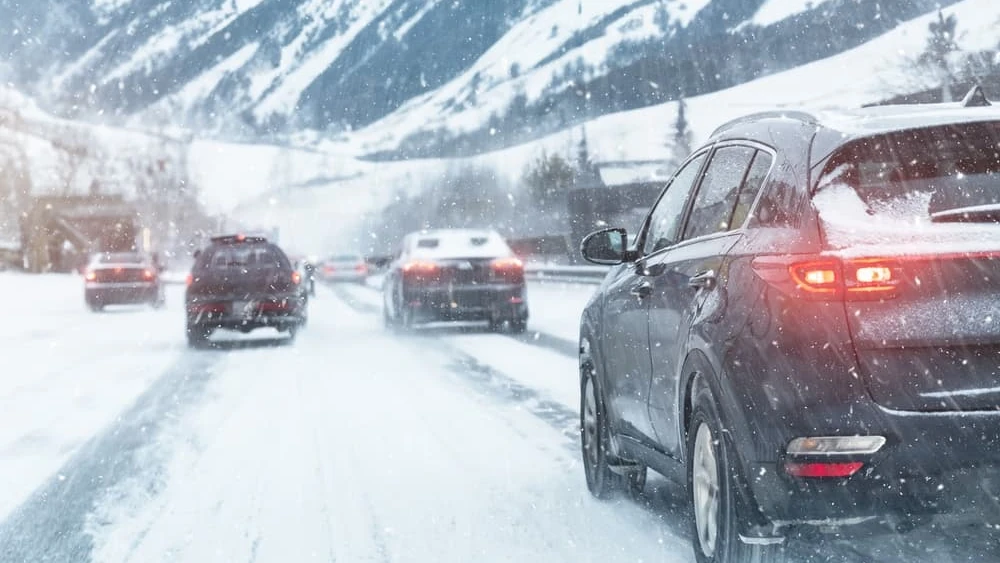
Winter snow and ice are common across Missouri, making driving a seasonal hazard. Preparation and caution on the road are essential for staying safe during these months. Following key winter driving tips can significantly reduce the risk of accidents. These include preparing your car for harsh weather and adjusting your driving behavior accordingly. At Devkota Law Firm, our Kansas City personal injury lawyers are committed to protecting your rights and securing the compensation you deserve. Here are some critical winter driving strategies to help you stay safe this season.
Winter Driving Accidents in Kansas City, Missouri
Kansas City winters are known for their severe weather, which creates hazardous driving conditions. Snow, ice, and freezing rain present significant challenges, especially in the early morning and late at night when temperatures dip to their lowest. These conditions reduce traction, limit visibility, and hinder vehicle control, increasing the likelihood of crashes during the winter months. According to the Missouri Department of Transportation, winter weather plays a significant role in yearly traffic accidents.
Drivers must remain especially alert in the following conditions:
- Black Ice on Highways and Bridges: Black ice forms quickly and is virtually invisible. Highways, bridges, and overpasses are particularly susceptible. Bridges freeze faster because they are exposed to air on both sides.
- Snow and Fog Cause Poor Visibility. Heavy snowfalls, dense fog, and windshield frosting make visibility a major issue. Reduced sight lines and slippery surfaces heighten the chance of accidents.
- Slippery Roads and Extended Stopping Distances: Snow and ice make stopping, turning, or accelerating more difficult. Increased braking distances often lead to rear-end or multi-vehicle collisions.
Understanding these risks can help drivers adjust their behavior, reduce speed, extend following distances, and stay vigilant to changes in road or weather conditions.
Common Causes for Winter Driving Accidents
Being aware of the causes behind winter driving accidents allows drivers to take steps to avoid them. In Kansas City and throughout Missouri, common causes include:
- Slick Roads: Snow, ice, and sleet reduce tire traction and compromise vehicle control. Even well-maintained vehicles may slip, especially on highways and bridges.
- Reduced Visibility: Snowstorms, fog, and frost obscure vision, making it harder to see the road and other vehicles. This challenge, coupled with poor traction, creates a dangerous combination.
- Driving Too Fast: Many drivers underestimate how much winter conditions affect driving. Speeding leads to skidding, rear-end crashes, and vehicles sliding off the road.
- Inexperienced Drivers: Winter conditions require precise handling and an understanding of braking and turning on slippery surfaces. Inexperienced drivers often cause sudden stops, skids, and collisions.
- Winter Weather Vehicle Stress: Cold conditions can result in dead batteries, deflated tires, frozen fluids, and malfunctioning brakes. These issues can leave drivers stranded or unable to control their vehicles.
Key Tips to Avoid Accidents:
- Drive slowly and avoid sudden braking.
- Maintain a safe distance behind other vehicles.
- Schedule a pre-winter maintenance checkup for your car.
Recognizing and preparing for these risks allows you to adapt your driving style and remain safe in Missouri’s challenging winter weather.
Common Auto Accident Injuries in the Winter
Winter crashes cause serious injuries due to icy roads and reduced vehicle control. The force of impact is often intensified by vehicles sliding uncontrollably into stationary objects or other cars. Common injuries include:
- Whiplash and Neck Injuries occur when the head and neck are violently jerked during a crash. Symptoms often include neck stiffness, headaches, and pain.
- Head Injuries: Blunt-force trauma to the head may result in concussions or traumatic brain injuries (TBIs), which can impair cognitive and motor functions. If you experience dizziness, nausea, or confusion after a crash, seek medical help immediately.
- Fractures: The impact from a collision can easily break bones, especially in the arms, legs, ribs, or hips.
- Back and Spinal Injuries: A winter crash can cause spinal cord injuries, which may result in extreme pain, herniated discs, or even paralysis.
- Soft Tissue Injuries: Even in low-speed collisions, sprains, strains, and bruises are common. These injuries affect muscles, ligaments, and tendons, often causing pain and discomfort.
To help prevent severe injury, always wear your seatbelt properly. Avoid bulky coats that can interfere with seatbelt function, and ensure your headrest is adjusted to avoid whiplash.
Many of these injuries aren’t immediately visible. Whiplash, concussions, and internal injuries may take hours or even days to appear. Seeking medical attention promptly is critical—not only for your health but also to provide essential documentation if you pursue legal action.
Where Do Most Winter Driving Accidents Happen?
Winter accidents in Missouri often occur in high-risk areas, where weather and road design create added hazards. According to the Kansas Department of Transportation's 2021 Facts Book, these areas include:
- Intersections and Traffic Lights: These are difficult to navigate when roads are slick. Drivers often misjudge stopping distances, leading to rear-end or side-impact collisions.
- Highways and Freeways: High speeds combined with snowy or icy conditions greatly increase the risk of losing control, and vehicles are more likely to skid or slide.
- Bridges: Because bridges are exposed on both the top and bottom, they freeze faster than regular roads. Black ice often forms here, catching drivers by surprise.
- Rural Roads: These roads are frequently neglected regarding snow removal and salting. Poor visibility and limited access to emergency services increase risks in rural areas.
Knowing which locations are most hazardous can help drivers remain extra cautious and prepared.
Preparing for Driving in the Winter
Staying safe during Missouri’s winter months requires forethought and preparation. While it’s impossible to control the weather, you can control how ready you and your vehicle are for the challenges ahead.
Vehicle Inspection:
Check your tires, brakes, battery, lights, and wipers regularly. Consider upgrading to winter or snow tires for better traction if your tires are worn. Use the penny test to measure tread depth—if Lincoln’s head is visible, it’s time for a replacement. Also, cold temperatures can weaken car batteries. As potential battery failure indicators, look for signs like slow engine cranking or dimming headlights.
Vehicle Inspection:
Check your tires, brakes, battery, lights, and wipers regularly. Consider upgrading to winter or snow tires for better traction if your tires are worn.
Emergency Kit:
Keep a winter emergency kit in your car, including:
- Blankets
- Bottled water and non-perishable snacks
- Flashlight and extra batteries
- Jumper cables
- First-aid supplies
Driving Habits:
Reduce speed and increase the distance between your car and others to prevent loss of control. Avoid sudden turns or braking on icy roads.
Weather Monitoring:
Always check the forecast before you drive. If a storm or extreme cold is expected, delay your travel until conditions improve.
Winter Tires:
These are designed to perform better in snow, ice, and cold temperatures. They offer improved traction and handling compared to all-season tires.
Staying proactive and cautious is key to preventing winter accidents. Thoughtful planning can keep you and others safe throughout the season.
What to Do If You’re in a Car Accident in the Winter
Winter car accidents can be stressful, but knowing what to do immediately afterward can help you stay safe and protect your rights. Follow these steps:
Check for Injuries:
Safety is your top priority. Assess yourself and others for injuries and call 911 for medical assistance, even in minor accidents.
Move to Safety:
If your car is still operable, move it to a safe location off the road. This helps prevent further collisions in low-visibility conditions.
Report the Accident:
Contact the police to file an official accident report. This document will be valuable for insurance claims and legal proceedings. When speaking with officers, mention road and weather conditions.
Document the Scene:
Take photos and videos of:
- Vehicle damage from multiple angles.
- Road conditions (ice, snow, etc.).
- Skid marks, traffic signs, and the surrounding environment.
- License plates and insurance information of the involved vehicles.
Seek Medical Attention:
Many winter-related injuries don’t manifest symptoms right away. Visit a healthcare provider to check for internal injuries or conditions like whiplash and concussion. Medical records also serve as essential evidence if you pursue a legal claim.
Contact an Attorney:
A skilled car accident attorney can help you navigate the claims process, collect evidence, and negotiate with insurance providers. Early legal involvement can prevent costly mistakes and delays. Most attorneys offer free consultations and work on contingency, meaning you won’t pay unless they win your case. They’ll assist you in seeking compensation for medical costs, lost wages, and vehicle damage.
Taking the right actions after an accident strengthens your legal case and ensures your well-being. A calm and informed response is the best path forward.
Contact Kansas City Car Accident Attorneys Today
At Devkota Law Firm, our dedicated team provides trusted legal guidance for those affected by winter car accidents. We understand the challenges of Missouri’s winter roads and are here to help you recover. Visit us at 4010 Washington Street, Suite 350, Kansas City, MO 64111, or call (816) 330-2924 for a free consultation. Let us help you move forward with confidence after a winter accident.
Recent Articles